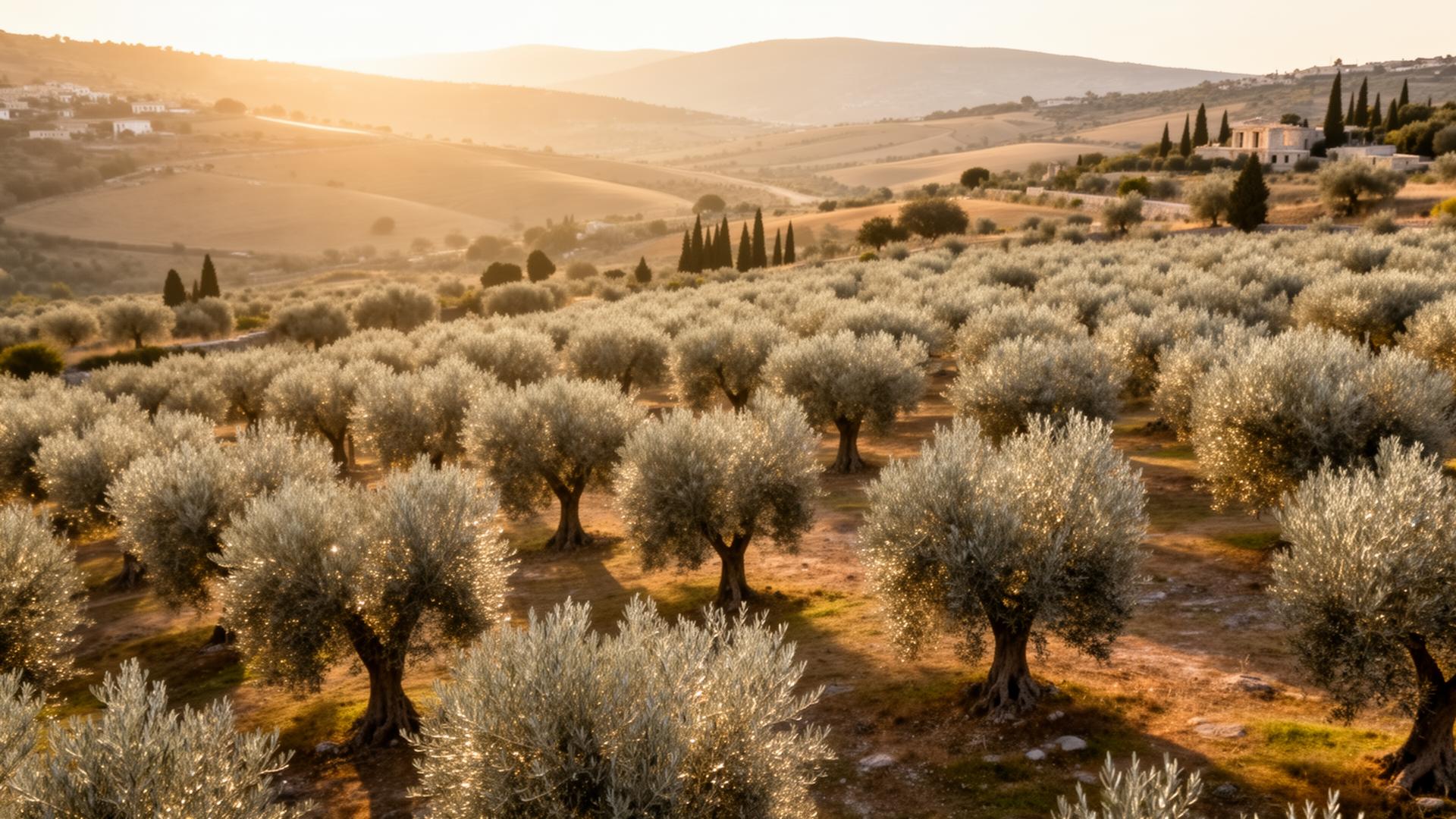
Greece grows more than forty indigenous olive varietals, but three of them define the premium Greek EVOO conversation — and the geography in which they grow shapes what ends up in the bottle as much as the trees themselves.
The varietals
Koroneiki
Small, late-ripening, native to the Peloponnese. The workhorse of high-phenolic Greek EVOO — typically delivers a peppery, grassy, pleasantly bitter profile and the highest polyphenol counts of any major Greek varietal.
Athinolia
A southern Peloponnese varietal prized for balance — softer pungency than Koroneiki, with tomato-leaf and almond notes. Often blended with Koroneiki for restaurant pours.
Manaki
Rounder, fruitier, with apple and ripe-tomato character. Less peppery; favoured for finishing seafood, salads, and fresh cheeses.
The regions
The character of Greek olive oil is shaped as much by terroir as varietal. Each growing region has its own micro-climate, altitude, and harvest tradition.
- Sparta (Lakonia)High-elevation Koroneiki groves yielding intensely peppery, polyphenol-rich oils.
- Olympia (Ilia)Gently rolling groves; oils with classic Peloponnesian balance and herbaceous lift.
- CreteThe largest producing island. Long sun-hours and sea breezes produce expressive, layered EVOOs.
- Messinia & KalamataHeritage growing zones with centuries of estate-level know-how.
- The Aegean islandsSmall-batch, often organic estates with distinctive island terroir.
Polyphenols and health
Extra virgin olive oil is the only edible fat that carries an EU-authorised health claim tied to a specific compound: olive oil polyphenols (specifically hydroxytyrosol and its derivatives, including oleocanthal and oleacein) contribute to the protection of blood lipids from oxidative stress when at least 5 mg are consumed daily (EU Regulation 432/2012).
Greek EVOOs from high-phenolic Koroneiki groves regularly clear 500 mg per kg of total phenolics — multiples of the EU threshold and an order of magnitude higher than the average supermarket bottle.
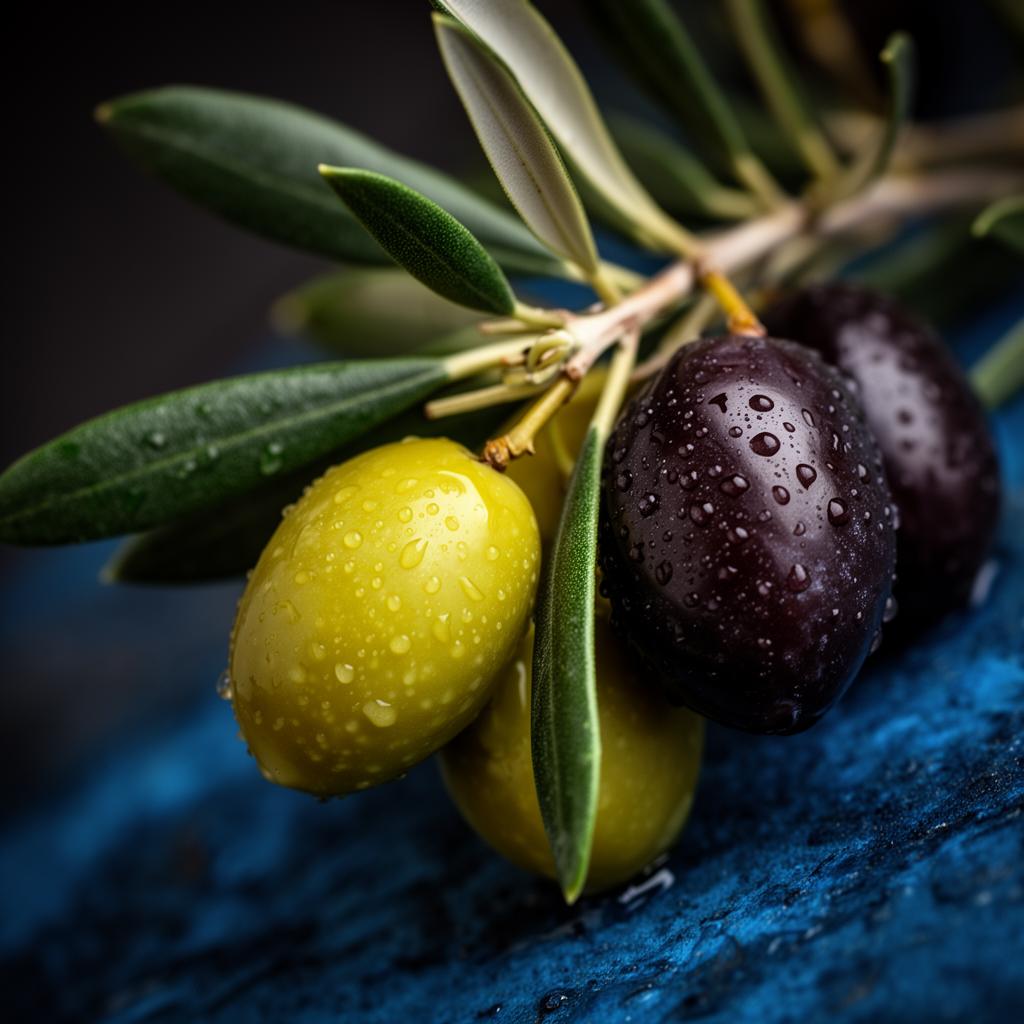
"Greece produces more EVOO as a percentage of its total olive-oil output than any other country in the world."
What 'extra virgin' actually means
Extra virgin is the highest grade of olive oil and the only grade that can be produced by mechanical means alone — no chemicals, no heat. To qualify, the oil must have a free fatty acidity below 0.8% and pass a sensory panel for fruitiness, bitterness, and pungency with no defects.
How to read a Greek EVOO label
- Harvest dateThe closer to today, the fresher the oil.
- Single estate / single varietalNarrower provenance signals more careful production.
- AcidityUnder 0.5% is excellent; under 0.3% is exceptional.
- Phenolic count (mg/kg)Relevant for buyers chasing the EU 432/2012 health claim.
- PDO / PGIProtected designation tied to a defined Greek region.
Storage and pairing
Store EVOO away from light and heat — a cool cupboard, not next to the stove. Use within 12–18 months of harvest for peak flavour. Use peppery, high-phenolic oils as finishing oils on grilled vegetables, legumes, and red meats; reserve rounder Manaki and Athinolia oils for fish, salads, and fresh cheese.