The certification, decoded
EU organic certification is the legal standard. To carry the green organic leaf, an olive oil must be produced from olives grown:
- Without synthetic pesticides, herbicides, or fertilisers.
- On land managed organically for at least three years.
- Through a chain (grove, mill, bottling) audited annually by an accredited body.
The certification body's code (e.g. GR-BIO-01) appears next to the leaf. Greek certifiers most commonly seen include DIO, BIO Hellas, and Q-Cert. If you cannot find a leaf and a code, the oil is not certified organic.
Why Greek varietals reward organic
Greek olive groves tend toward smaller estates farmed by families with multi-generational knowledge of their land. That structure suits organic farming, which depends on attentive observation more than on inputs.
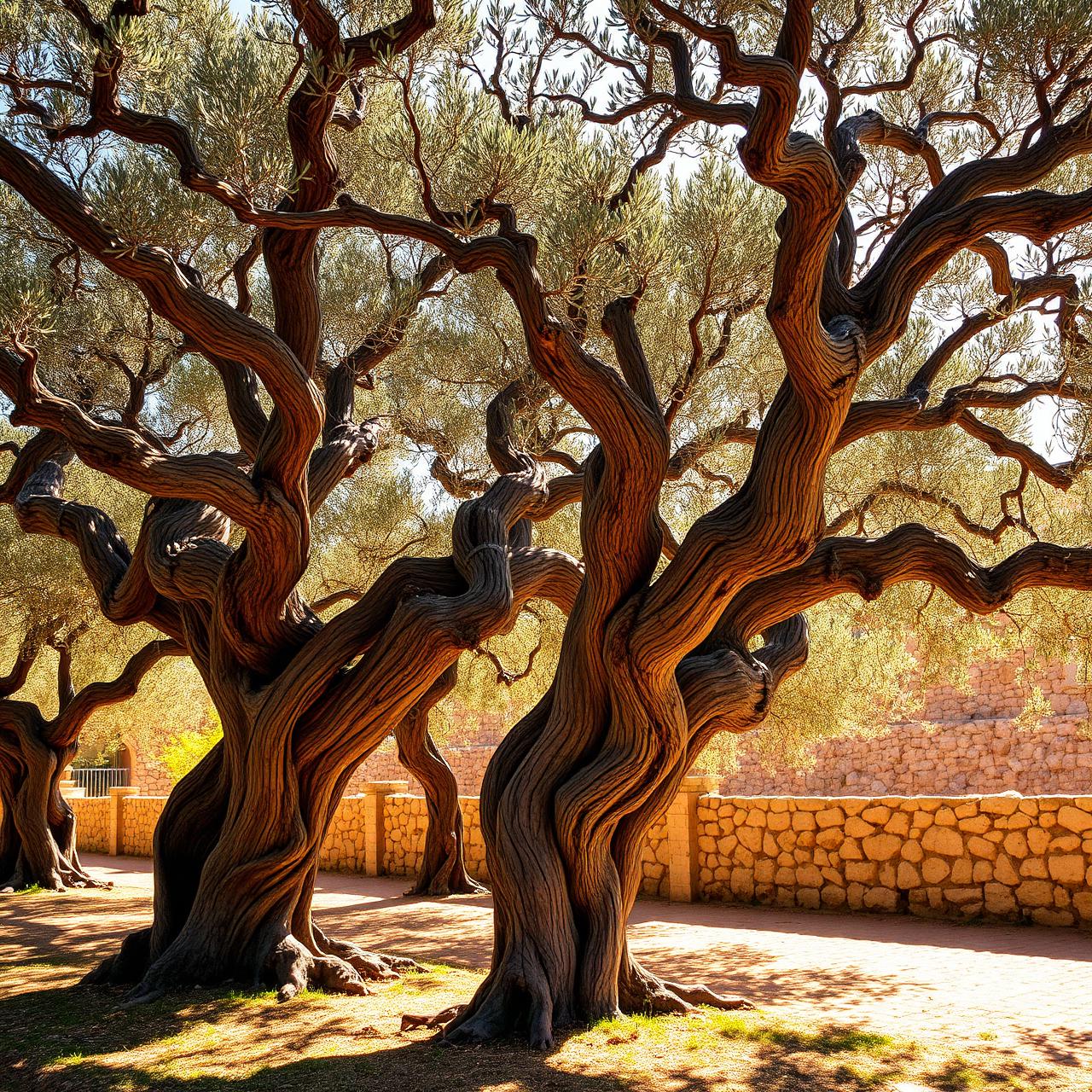
The dominant Greek varietals — Koroneiki, Athinolia, Manaki, Kalamata — are also long-lived and disease-resistant when farmed organically. Many of the trees feeding our partner producers' organic harvests are over a century old.
The regions that matter
Organic Greek EVOO concentrates in a few regions:
- Sparta (Lakonia): high-elevation organic Koroneiki — the engine of high-phenolic organic Greek EVOO.
- Messinia & Kalamata: heritage estates with long organic conversion history.
- Crete: the largest producing island, with significant organic acreage and distinctive varietals like Tsounati alongside Koroneiki.
- The Aegean islands: small-batch organic producers with island terroir.
What to look for on an organic Greek EVOO bottle
Organic certification on its own is not enough — pair it with the markers of any serious EVOO:
- EU organic leaf + certifier code.
- Harvest date within the past 12 months.
- Single estate, single varietal, ideally Koroneiki for high polyphenols.
- Acidity below 0.5%; under 0.3% is exceptional.
- A polyphenol count printed in mg/kg.
- Dark glass, snug cap, no plastic.
Two of our partner producers — Ilias and Sons (Sparta) and This is Vendema — bottle certified organic Greek EVOO and ship to Canada. If you want help matching an organic Greek EVOO to your kitchen, reach out.
Questions, answered.
- What does 'organic Greek olive oil' actually mean?
- It means the oil was produced from olives grown without synthetic pesticides, herbicides, or fertilisers, on land that has been managed organically for at least three years, and certified by an accredited EU organic body. The certification covers the entire chain — grove, mill, bottling. The EU organic leaf logo on the label is the legal mark.
- Is organic Greek olive oil higher in polyphenols?
- Not automatically. Organic farming preserves olive tree health and soil biology, which supports polyphenol development, but the bigger drivers are varietal (Koroneiki leads), harvest timing (earlier is higher), and processing (cold extraction). The best high-phenolic Greek EVOOs are usually organic — but organic alone is not a polyphenol guarantee.
- Where is organic Greek olive oil produced?
- Across most of Greece's olive-growing regions, with notable concentration in the Peloponnese (Sparta, Messinia, Kalamata), Crete, and the Aegean islands. Smaller estates are easier to manage organically, and Greek family estates have led the country's organic conversion.
- Is Kalamata olive oil the same as organic Greek olive oil?
- No. Kalamata refers to a specific Greek PDO region (and the famous black table olive variety from there). Kalamata olive oil is Greek and often excellent, but 'Kalamata' alone does not mean organic — look for the EU organic leaf in addition to any PDO marking.
- How much does organic Greek olive oil cost?
- A single-estate, current-harvest, certified organic Greek EVOO in 500 mL typically lands between CAD $40 and $90 in Canada. Organic certification adds production cost but is small relative to the difference between a great EVOO and a mediocre one. Harvest date and provenance affect price more than the organic label alone.